In modern business, the stability and speed of IT infrastructure directly impacts the efficiency and competitiveness of companies. With growing data volumes, the migration of services to the cloud, and the need for 24/7 access to information, more and more organizations are faced with the question of where and how to securely house their equipment. Understanding the data center rack is becoming crucial: it is the basic unit around which a reliable server infrastructure is built, enabling businesses to scale, ensure uninterrupted service operation, and optimize the management of their IT resources.
Contents:
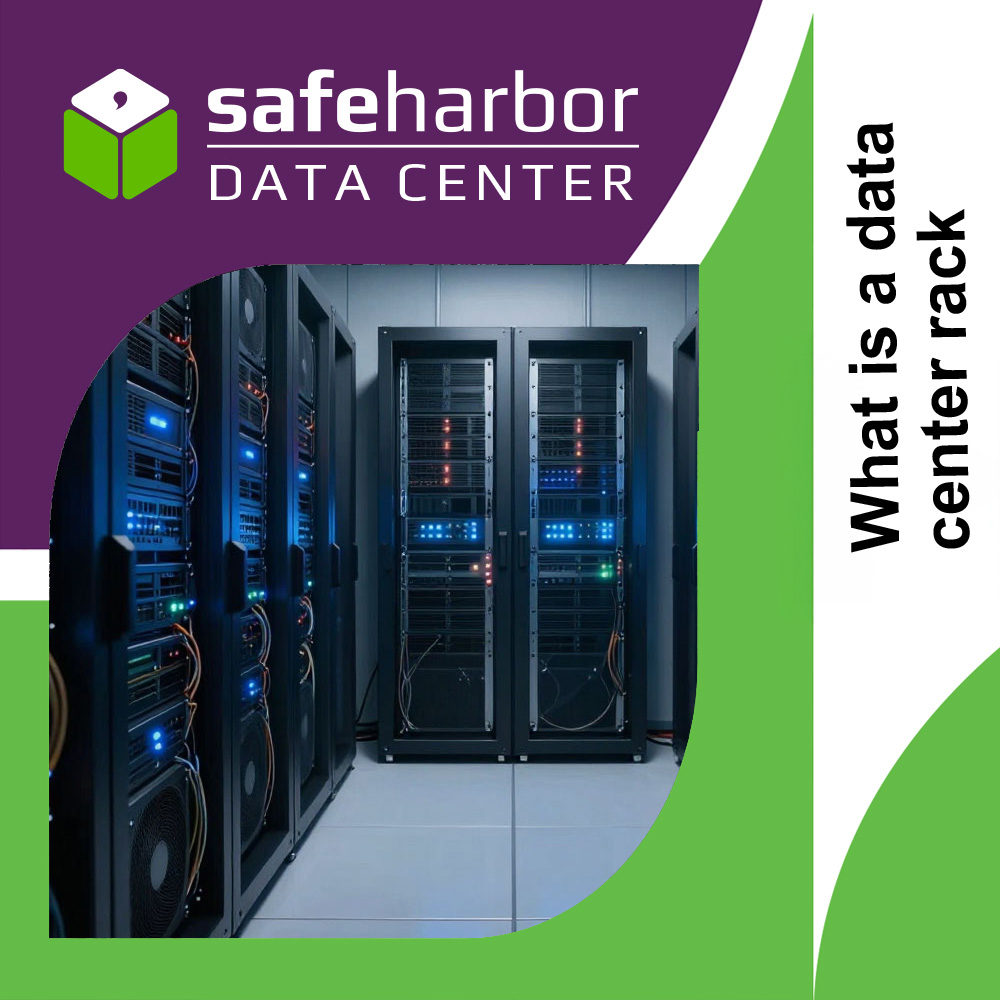
What is a data center rack?
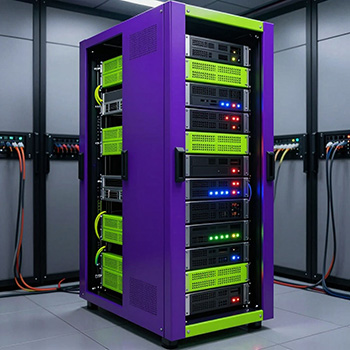 Rack Design and Formats
Data center racks vary in design features, allowing you to select the optimal format for specific tasks:
- Design Type:
- Open — a frame without side walls or doors. Provides easy access to equipment and optimal airflow, often used for switching equipment and systems requiring frequent maintenance.
- Closed — equipped with doors and side panels with locks. Provide:
- increased physical security;
- cooling optimization;
- protection of devices from unauthorized access.
- Capacity and format:
- Full racks — occupy standard space in a server room and are designed to accommodate a full set of equipment.
- Half racks — Designed for smaller equipment volumes or shared space between multiple clients, minimizing cable crossings.
- Customization and additional elements:
- Guides and mounting panels for non-standard devices;
- Integration of a PDU (Power Distribution Unit) for power distribution;
- Built-in fans or adaptation for centralized cooling;
- Brackets, air ducts, and other elements that enhance ease of use.
The choice of format and design depends on the nature of the equipment, safety requirements, and ease of maintenance. Flexible configuration allows you to adapt the rack to any task and optimize the operation of your server infrastructure.
What's the difference between a rack rental and a rack space rental?
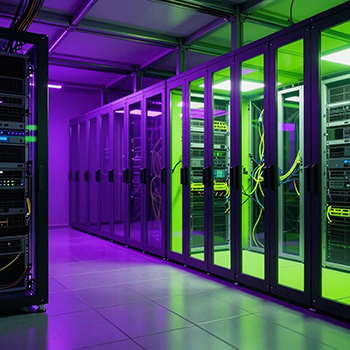
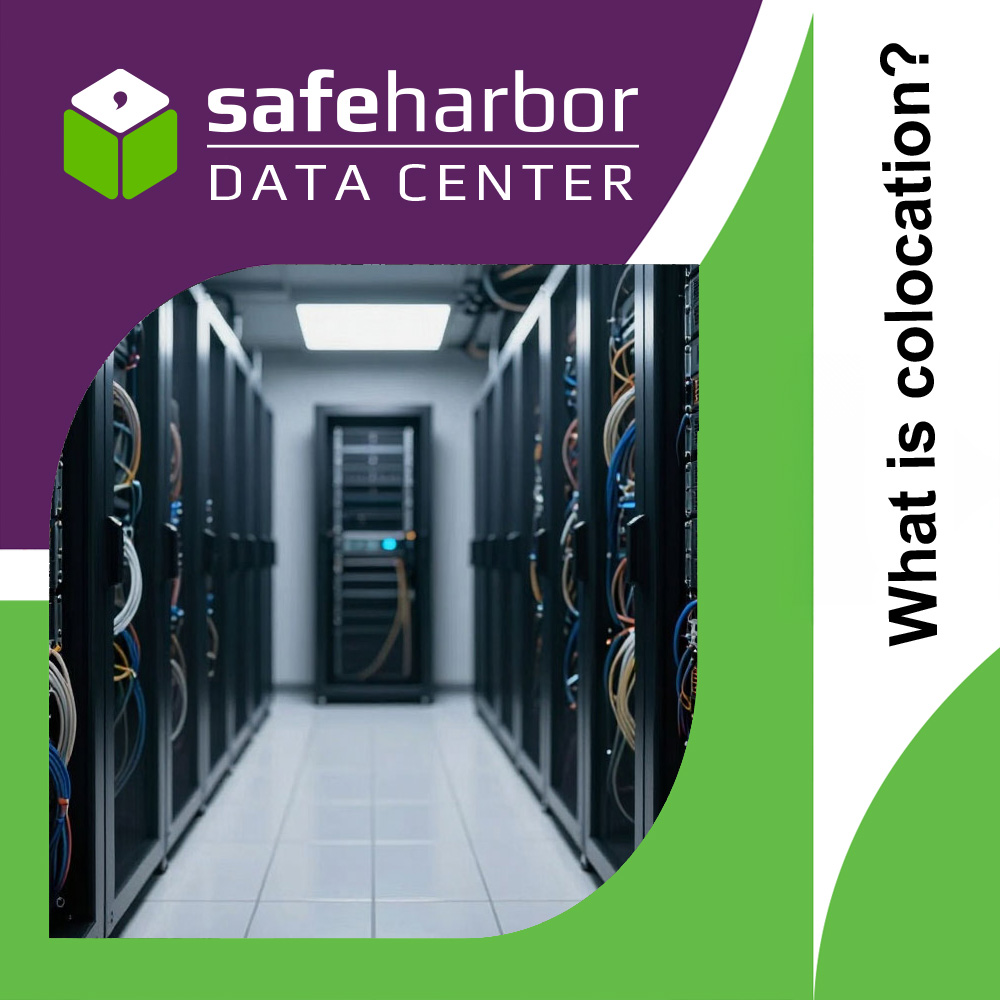
Rack rental and rack space rental are two types of colocation services in data centers, allowing companies to house their equipment in a professional data center without having to build their own server room. Both approaches provide access to the data center's infrastructure, but differ in the level of availability of the provided space and the degree of control over the equipment.
- Rack rental involves the use of a ready-made rack provided by the data center. The client receives a fully equipped structure with pre-installed rails, power distribution systems, and basic maintenance, allowing for quick integration of their equipment without the need for physical installation. This option is convenient if a ready-made infrastructure and minimal setup time are required.
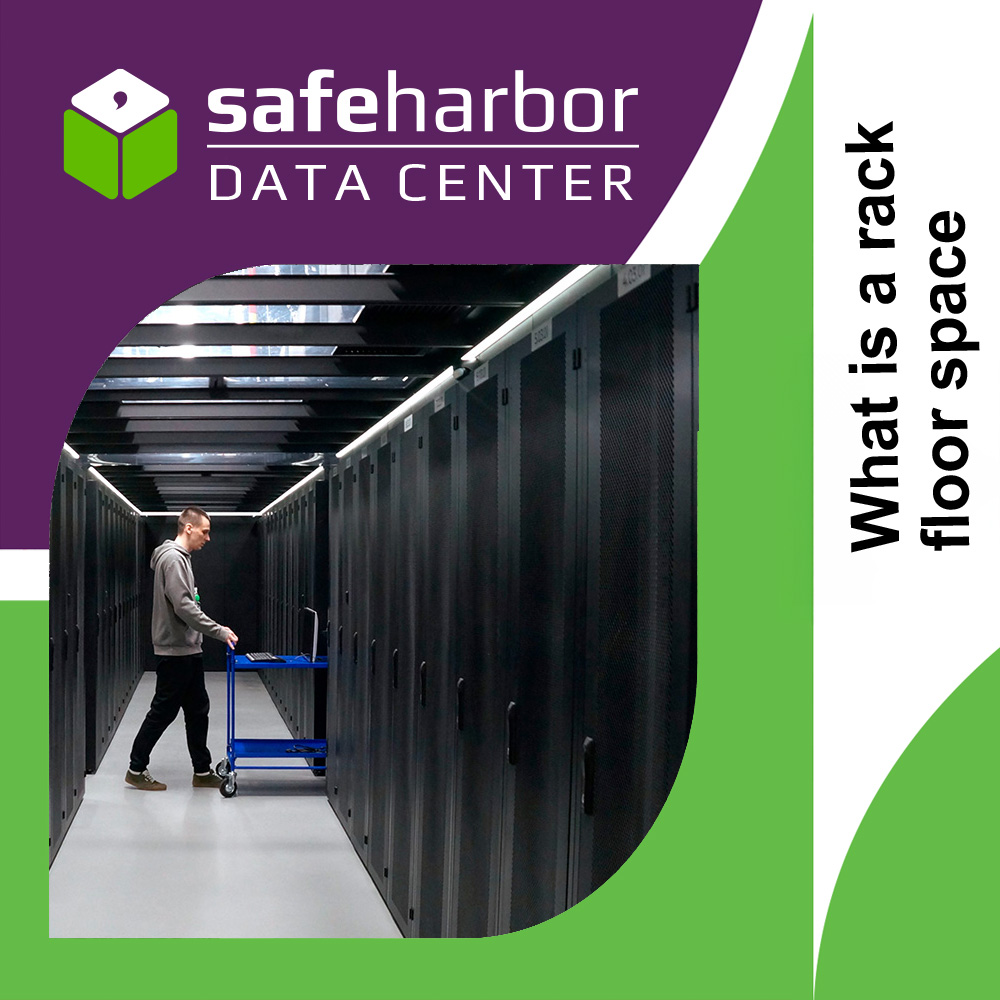
- Renting rack space (floor space in a server room) differs in that the client rents floor space in the server room rather than a rack, where they can bring their own cabinet with equipment and a PDU. The data center provides access to power and network connections, but the client handles cabinet installation, cable management, and device setup. This approach is suitable for companies that want to use their own racks, fully control the equipment configuration, and scale the space to accommodate custom solutions.
The main difference between these two models is the degree of infrastructure readiness and control: renting a rack saves time and effort on setup, while rack space provides complete freedom in choosing equipment and organizing it within their own cabinet.
Benefits: When to Choose Data Center Rack Rentals
Data center rack rentals are chosen by companies that value ready-made infrastructure and high equipment reliability. This format offers a number of key advantages:
- Reliability and Fault Tolerance. The rack is provided fully configured for operation, with PDUs and cooling systems already installed, minimizing the risk of failures and downtime.
- Security. Closed options with controlled access and a centralized monitoring system ensure equipment protection from unauthorized persons and accidental damage.
- Scalability. New racks can be quickly added as needed, without wasting time on procurement, installation, or space preparation, which is especially important for growing companies and projects with variable loads.
- Reduced Capital Expenditures. The client doesn't need to purchase their own cabinets, organize installation, or maintain them: the data center covers the infrastructure costs, and the company only pays for the lease.
Compared to renting floor space, where the client brings their own cabinet and arranges the cabling and electrical connections themselves, renting a prefabricated rack from a data center saves time and effort on installing and configuring devices. Furthermore, a prefabricated rack ensures more predictable operation and faster service startup, making this format ideal for companies that value efficiency and security.
Where to rent a rack in Moscow

For companies that value reliable and convenient infrastructure, renting a rack in Moscow is a simple and effective solution. One of the best options is the Safeharbor data center, offering comfortable conditions for equipment placement and a wide range of ready-made solutions for any task.
Key advantages of renting a rack at the Safeharbor data center:
- Convenient location - The data center is located near Moscow's main transport and business hubs, simplifying logistics and speeding up access to equipment.
- Comfortable Conditions — Well-thought-out infrastructure, high-quality engineering systems, and modern premises create optimal conditions for operating and servicing equipment.
- 24/7 Access — Clients can manage equipment at any time, which is especially important for projects requiring continuous service operation.
- Professional Support — Qualified personnel are ready to promptly assist with connection, configuration, and maintenance of devices.
- Turnkey Solutions for Any Need — Safeharbor is suitable for both small projects and large-scale IT infrastructures, providing flexibility and a quick start.
Choosing Safeharbor allows you to not only host your server in a secure and convenient environment but also focus on business growth while minimizing concerns about physical infrastructure.
FAQ (Frequently Asked Questions)
1. How to choose rack space in a data center?
When choosing rack space, consider the available capacity and power consumption, as well as network connectivity and the type of data center infrastructure. Check the service terms and level of physical security to ensure zero downtime (SLA).
2. How many servers fit in a single rack?
The number of servers depends on their size and rack unit (U) height. A standard 42U rack typically accommodates up to 20-25 full-size 2U servers or more compact 1U models.
3. Is it possible to lease a portion of a rack?
Yes, many data centers offer the option to lease a portion of a rack, such as half or several units, if a full rack is not required. This option is convenient for smaller projects and saves on rental costs.
4. What should I consider when leasing?
It's important to consider the rack type (open or closed), cooling capabilities, power distribution, and ease of access. Also consider configuration flexibility and the ability to quickly scale as your infrastructure grows.
Conclusion
In summary, a data center rack is more than just a server room element, but the foundation upon which a company's entire physical IT infrastructure is built. Understanding its structure, formats, and equipment placement principles allows for informed selection of the appropriate placement format and avoidance of unnecessary costs and technical limitations in the future.
Renting a data center rack remains the optimal solution for most tasks: it combines infrastructure readiness, reliability, and ease of operation, allowing you to focus on service development rather than site setup. However, the choice of a specific option should always be based on the actual needs of the business—equipment capacity, scalability requirements, and level of control over the infrastructure.
A well-chosen data center equipment placement solution is not only a technical but also a strategic step, directly impacting the stability, security, and efficiency of the entire IT system.